|
According to archeologists, the site of the today's town
of Haskovo dates
 back
seven thousand years ago in the Neolithic era.
It emerged as an important market town
near Plovdiv, on the crossroads of
Edirne and Istanbul and the Aegean to Rousse.
It was established as a crafts center, but far less than Uzundjovo
- a nearby located village,
famous for its annual Fair.
Evidence for the old and rich history of the city are back
seven thousand years ago in the Neolithic era.
It emerged as an important market town
near Plovdiv, on the crossroads of
Edirne and Istanbul and the Aegean to Rousse.
It was established as a crafts center, but far less than Uzundjovo
- a nearby located village,
famous for its annual Fair.
Evidence for the old and rich history of the city are
 numerous Prehistoric, Thracian, Roman,
ancient and medieval
settlements, traces of which are reserved not only in the vicinity, but
also within the present town of Haskovo.
Unknown
until the 1950s,
these archaeological sites have brought abundant evidence of Ancient and
Medieval times. During the 9th century a fortress was built
in Haskovo, which soon became
the town-center of
a significant area between the rivers Klokotnica
Harmanliyska and Maritza, during the First Bulgarian
Kingdom.
The excavations and studies of
the Haskovo fortress give a
great variety of information
about the history of Haskovo, not only in the Middle Ages (9-14
century), but
also in the previous
e
numerous Prehistoric, Thracian, Roman,
ancient and medieval
settlements, traces of which are reserved not only in the vicinity, but
also within the present town of Haskovo.
Unknown
until the 1950s,
these archaeological sites have brought abundant evidence of Ancient and
Medieval times. During the 9th century a fortress was built
in Haskovo, which soon became
the town-center of
a significant area between the rivers Klokotnica
Harmanliyska and Maritza, during the First Bulgarian
Kingdom.
The excavations and studies of
the Haskovo fortress give a
great variety of information
about the history of Haskovo, not only in the Middle Ages (9-14
century), but
also in the previous
e ras. In 1782,the town
was known as Marsa.
It is suggested that its
present name comes from the Arabic word "Has" (possession) and
the Turkish word "kjoy (village).
With its location and natural resources Medieval Haskovo suits the
conquerors. A large part of them settled here permanently. Haskovo
region and its surrounding areas were included administratively in the
Chirmenskiya Sandzak. The Bulgarian medieval village began to expand
north of the area Yamacha, descends gradually in the plain and takes
places over the years on both sides of the river Haskovo, near to the
present urban neighborhoods around the garden and much later built
churches “St. Virgin Mary” and “St. St. Archangels Michael and Gabriel”.
Another part, with the Muslim population locates itself around the
today’s city center, where is the first built in the Balkans (1395)
Whiting mosque. Ottoman conquerors declared the medieval village of
Marsa “Has”, from where was gradually formed the name of the city, which
it bears up to this day. The “Has” are large feudal domains, under the
control of the Ottoman Sultans. According to some information, Haskovo
in 1526 is the fourth of seven “Has” towns of Chirmenskiya Sandzak,
considering its yield. In almost every official Turkish documents it is
recorded as the area (district) Uzundzhe Keui Abad. Here the name of the
village Uzundjovo is used to determine the geographical location of
Haskovo and to be distinguished from self-titled Keui town in Eastern
Thrace. Gradually, the city’s population flowed from the surrounding
villages and the Rhodope Mountains and formed the new Bulgarian
neighborhoods. Along with the growing number of agricultural crops are
developed craftsmanship. There is a need of urban bazaar. In 1513 in
Haskovo, the market is fully shaped and is included in the imperial law.
According to the documents for the collection of the market fee “Batch”,
it is clear that the market in the city at the end of XVI century is so
developed, that the “batch” collected by him for a year, is a major
feather in the various incomes, gained by the ruler Hassan. In the
following centuries Haskovo wholesale market grows and becomes a
stimulating factor for the development of the market in the village of
Uzundzhovo, which later became one of the largest fairs in the Empire
Having occurred during the XVIII century, it was destiny for the
development of the city until the Liberation. The fair had great
significance not only for the prosperity of Haskovo, and hence the
economic lives of Bulgarian lands, but also for the final integration of
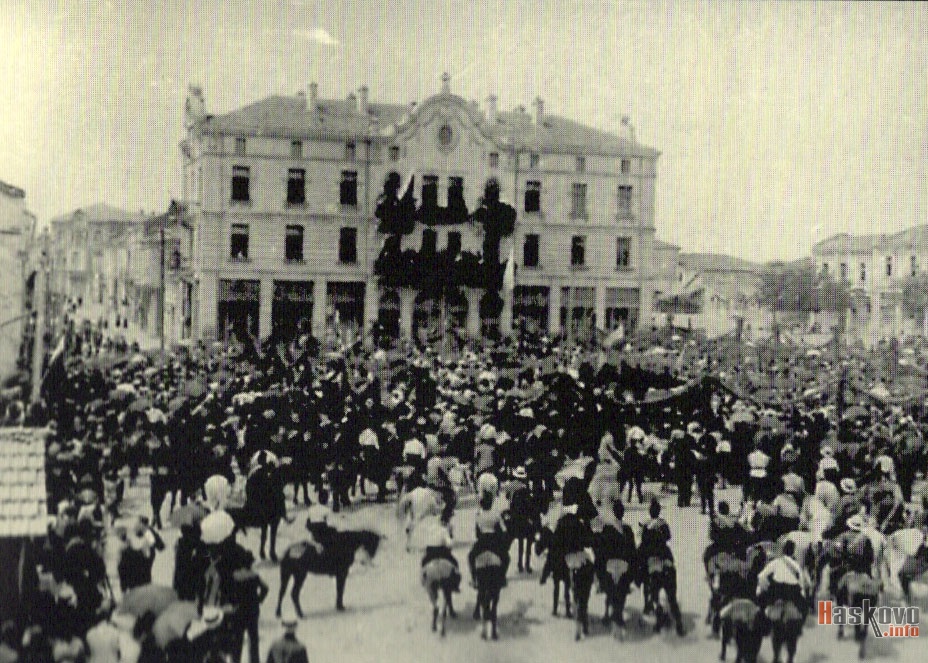
Turkey into the European system and world trade.Liberation of Haskovo on
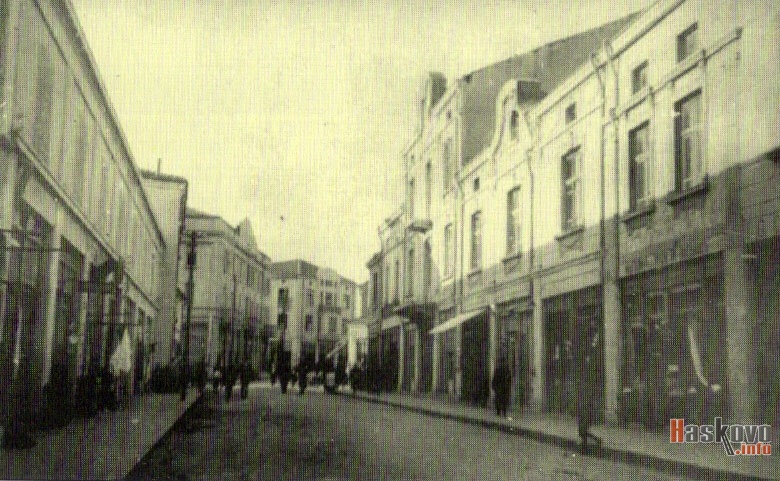
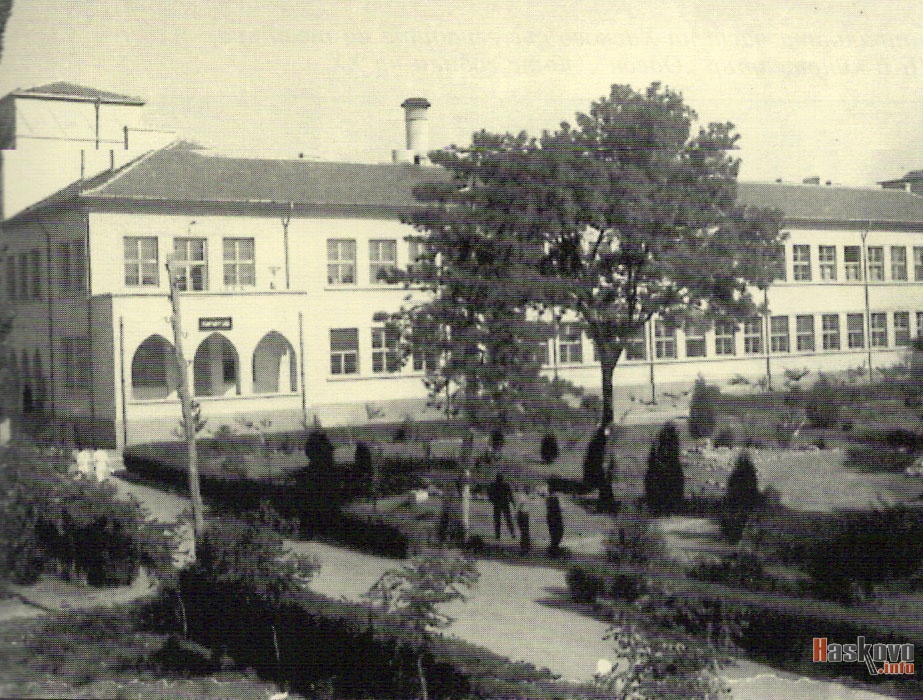
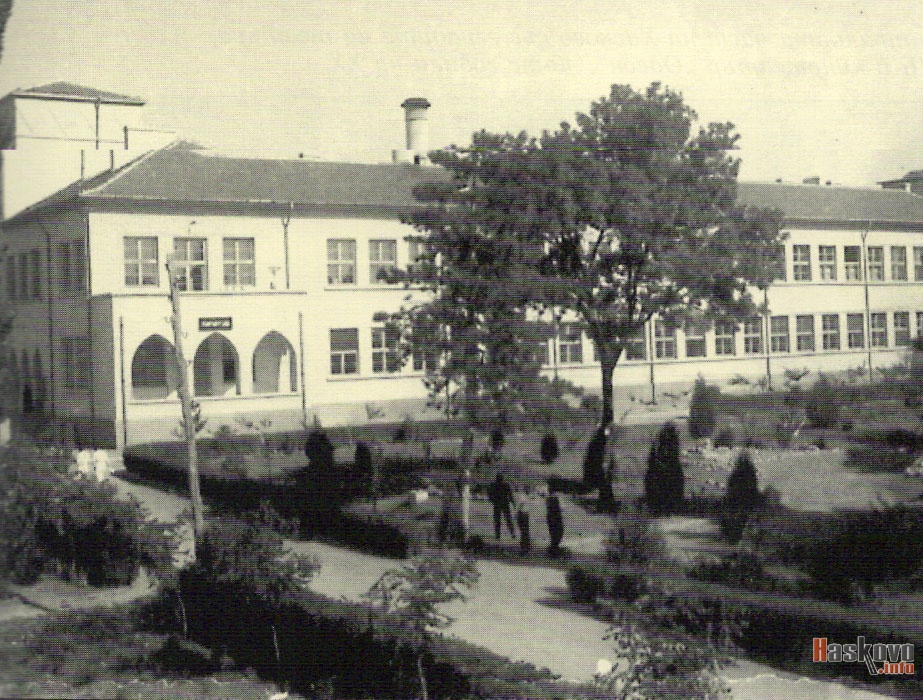
19.01.1878 years marked the beginning of the new modern city
development. In the early twentieth century Haskovo begins to take shape
as the center of the tobacco industry. ras. In 1782,the town
was known as Marsa.
It is suggested that its
present name comes from the Arabic word "Has" (possession) and
the Turkish word "kjoy (village).
With its location and natural resources Medieval Haskovo suits the
conquerors. A large part of them settled here permanently. Haskovo
region and its surrounding areas were included administratively in the
Chirmenskiya Sandzak. The Bulgarian medieval village began to expand
north of the area Yamacha, descends gradually in the plain and takes
places over the years on both sides of the river Haskovo, near to the
present urban neighborhoods around the garden and much later built
churches “St. Virgin Mary” and “St. St. Archangels Michael and Gabriel”.
Another part, with the Muslim population locates itself around the
today’s city center, where is the first built in the Balkans (1395)
Whiting mosque. Ottoman conquerors declared the medieval village of
Marsa “Has”, from where was gradually formed the name of the city, which
it bears up to this day. The “Has” are large feudal domains, under the
control of the Ottoman Sultans. According to some information, Haskovo
in 1526 is the fourth of seven “Has” towns of Chirmenskiya Sandzak,
considering its yield. In almost every official Turkish documents it is
recorded as the area (district) Uzundzhe Keui Abad. Here the name of the
village Uzundjovo is used to determine the geographical location of
Haskovo and to be distinguished from self-titled Keui town in Eastern
Thrace. Gradually, the city’s population flowed from the surrounding
villages and the Rhodope Mountains and formed the new Bulgarian
neighborhoods. Along with the growing number of agricultural crops are
developed craftsmanship. There is a need of urban bazaar. In 1513 in
Haskovo, the market is fully shaped and is included in the imperial law.
According to the documents for the collection of the market fee “Batch”,
it is clear that the market in the city at the end of XVI century is so
developed, that the “batch” collected by him for a year, is a major
feather in the various incomes, gained by the ruler Hassan. In the
following centuries Haskovo wholesale market grows and becomes a
stimulating factor for the development of the market in the village of
Uzundzhovo, which later became one of the largest fairs in the Empire
Having occurred during the XVIII century, it was destiny for the
development of the city until the Liberation. The fair had great
significance not only for the prosperity of Haskovo, and hence the
economic lives of Bulgarian lands, but also for the final integration of
Turkey into the European system and world trade.Liberation of Haskovo on
19.01.1878 years marked the beginning of the new modern city
development. In the early twentieth century Haskovo begins to take shape
as the center of the tobacco industry.
Haskovo 1900 - 1950
|